Understanding Luck in Casino Games
Luck plays a pivotal role in many casino games, acting as the unpredictable element that can turn the tide of any gaming session. In games like slots or roulette, outcomes are primarily determined by chance, as players have no control over the results. When the ball lands on a number or the reels align for a payout, it is purely a matter of luck, especially at the 19 dollar neosurf casino , which adds to the thrill of the experience. This inherent randomness is what makes these games exciting, as players never know what to expect with each spin or roll.
Additionally, the concept of luck can often create a psychological boost for players. The feeling of being ‘on a winning streak’ can lead to increased confidence and a willingness to take more risks. Casinos exploit this phenomenon, knowing that luck can enhance the gaming experience and keep players engaged longer. The allure of a substantial win reinforces the belief in luck, encouraging individuals to play in hopes of a big payoff, even when the odds are not in their favor.
However, it’s important to recognize that while luck is a prominent factor, it can often lead to misconceptions about the nature of casino gaming. Many players may attribute their wins solely to luck, ignoring the underlying odds and probabilities. This can create a false sense of security, prompting players to gamble beyond their means. Understanding the role of luck helps to set realistic expectations, guiding players to enjoy the experience without falling prey to the pitfalls of gambling.
The Importance of Skill in Certain Games
In contrast to luck-based games, skill-based games such as poker and blackjack require a significant understanding of strategy and probability. In these games, players can influence outcomes through their decisions, tactics, and knowledge of the game. For example, a skilled poker player can read their opponents, manage their bankroll effectively, and make informed decisions that increase their chances of winning over time. This blend of skill and strategy is what distinguishes these games from purely luck-based alternatives.
Moreover, the interplay of skill and psychology is crucial in games like blackjack. Players must make calculated decisions based on the cards dealt and the dealer’s upcard. This requires an understanding of basic strategy, card counting, and the ability to assess risk accurately. Experienced players can significantly improve their odds by employing these techniques, demonstrating that skill can indeed tip the balance in their favor, unlike in purely chance-based games.
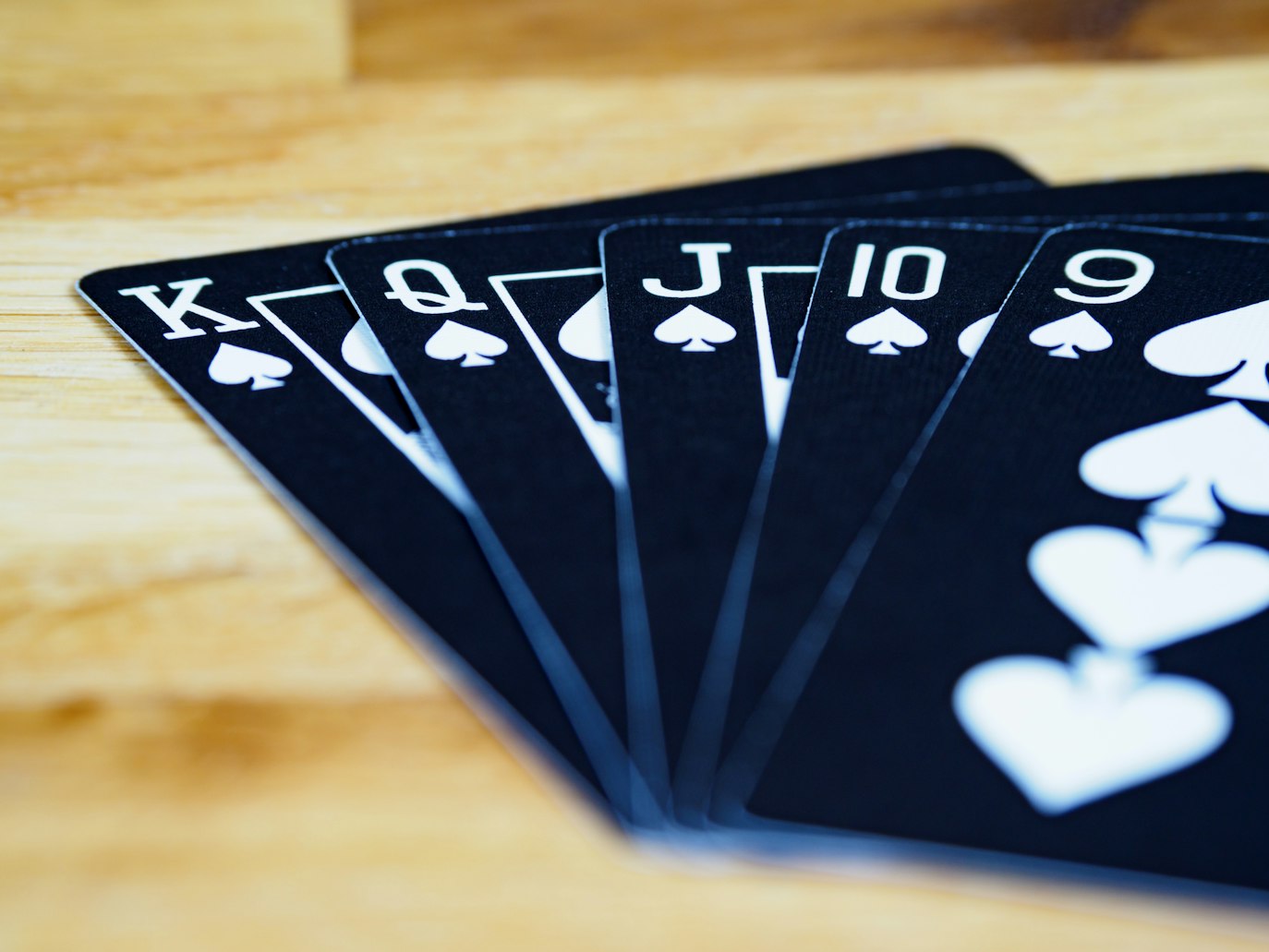
Furthermore, honing one’s skills through practice can lead to a more rewarding gaming experience. Unlike games of luck where outcomes are completely random, skill-based gaming allows players to see the results of their efforts. As they become more adept, they may find greater enjoyment in the game, along with potential financial rewards. This engagement not only deepens their mastery of the game but also enhances their overall enjoyment of the casino experience.
The Balance Between Luck and Skill
Ultimately, the balance between luck and skill in casino gaming is complex and varies greatly depending on the game being played. In many cases, games like craps or slots may offer thrilling experiences fueled by luck. However, the emergence of skill-based games has shifted the dynamic, where players are not merely relying on chance but also using their understanding and strategy to influence the outcomes. This intricate dance between the two can create compelling scenarios in which both elements coexist.
Many players may find themselves shifting strategies depending on their chosen game. For instance, while playing a slot machine, a player will be subject to the whims of luck. Conversely, when transitioning to poker, they will need to switch their mindset to focus on skillful play. This constant recalibration between accepting the randomness of luck and deploying skill represents a unique aspect of casino gaming that many find appealing. It keeps players engaged as they tackle different challenges inherent in each game.
This balance can also be reflected in the casino’s strategy to attract various player types. By offering a mix of both luck-driven and skill-centric games, casinos cater to a broader audience, enhancing their overall appeal. Additionally, understanding this interplay allows players to make more informed choices about where to invest their time and money, creating a richer and more nuanced gaming experience that satisfies both the thrill of luck and the satisfaction of skill.
The Impact of Game Design on Luck and Skill
Game design plays a critical role in determining the extent to which luck or skill influences outcomes. Developers of casino games carefully engineer the mechanics to create a desirable balance that enhances player enjoyment. For instance, the inclusion of bonus features and random events in slot machines ensures that luck maintains its significant influence while keeping the gameplay exciting. These features can lead to unexpected wins and encourage players to keep spinning the reels.

Conversely, in skill-based games, design often focuses on providing players with the tools necessary to leverage their skills. For example, poker games may include options for players to adjust their betting strategies based on their understanding of their hands and opponents. This design not only empowers players to exercise their skills but also fosters a sense of competition and strategy that can be immensely fulfilling. Designers must find the right balance to keep players engaged without making it overly dependent on either factor.
Moreover, advancing technology in online gaming has changed how luck and skill are perceived in casino games. With the rise of virtual simulations and enhanced graphics, players can access skill-based games in new ways. This innovation allows for more dynamic interactions and opportunities to apply strategy, which was previously limited to physical settings. As the industry continues to evolve, observing how game design influences the interplay of luck and skill remains an ongoing discussion among players and developers alike.
Conclusion: Navigating the Casino Landscape
Understanding the complexity of luck and skill in casino gaming is essential for anyone looking to navigate this exciting landscape. While luck undeniably plays a significant role, particularly in games of pure chance, skill cannot be underestimated in games that allow for strategy and decision-making. Players must recognize this interplay as they engage with different types of games, setting their expectations and strategies accordingly.
Moreover, the excitement that comes from both elements can enhance the overall gaming experience, making it enjoyable for different player types. Those who seek the thrill of luck can find their place in chance-based games, while those who appreciate strategic thinking can gravitate towards skillful competitions. This variety is what keeps the casino environment vibrant and engaging for players.
As players explore their options, it is important to approach gaming responsibly and with a clear understanding of the balance between luck and skill. Whether for entertainment or potential financial gain, recognizing this balance allows for a more rewarding and fulfilling casino journey. By embracing both aspects, players can enjoy the vast possibilities that casino gaming offers, leading to memorable experiences and valuable lessons along the way.